- Partner
- Human Rights Agenda (HURIA)
- City
- Mombasa
- Areas
- Changamwe and Likoni
This overview is deliberately broad: it names the areas, not the people, journeys, or reports behind them.
In the field · With HURIA, Mombasa
SafeRide was built and field-tested with HURIA in Mombasa. These are the real photographs: real people, real phones, and nothing from anyone’s report.
Contact sheet · Mombasa
15 frames · with HURIA
Circled: the frames the story below tells. Open any frame to see it full size.
The circled frames
What the work looked like, from the first briefing to the people who made it.
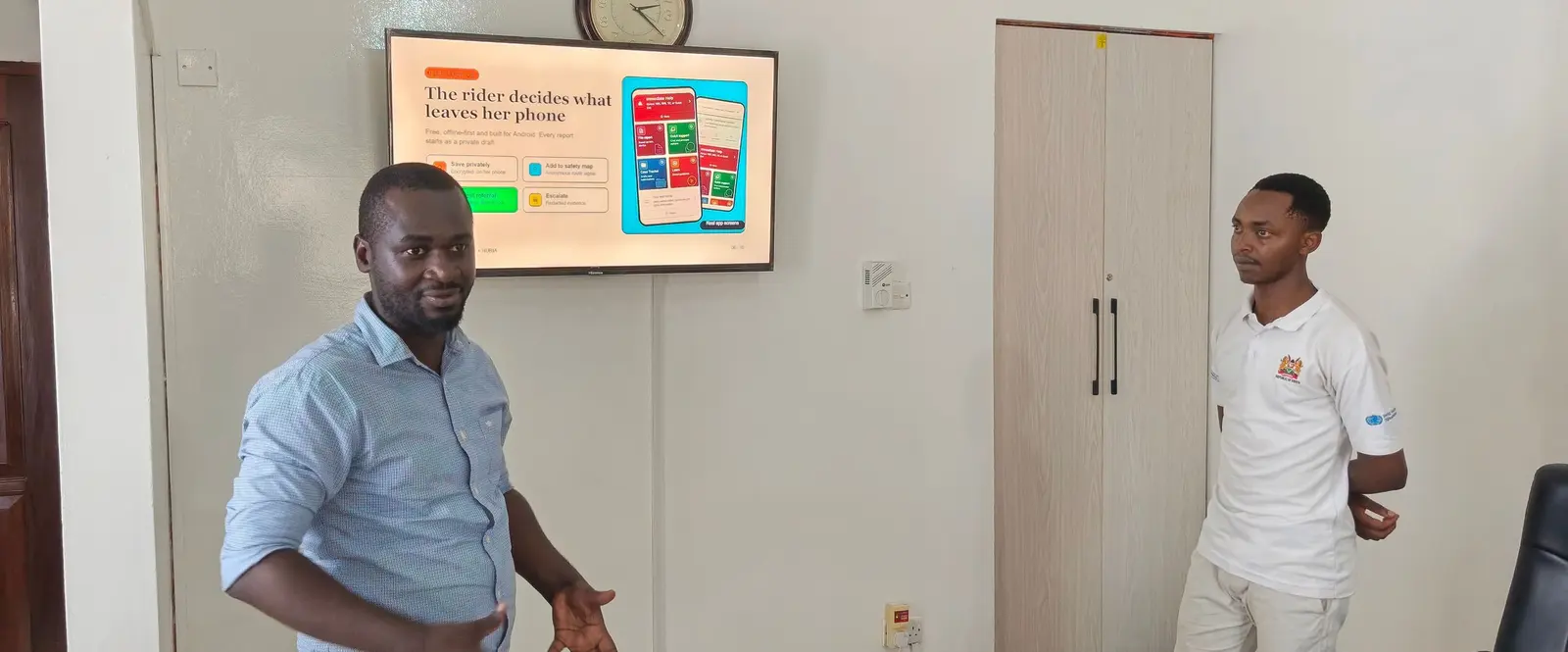
Circled 1 of 4
The field work began with a briefing for HURIA’s team. Facilitators walked through why SafeRide exists, how the path to justice breaks, and the rule everything else rests on: the rider decides what leaves her phone.
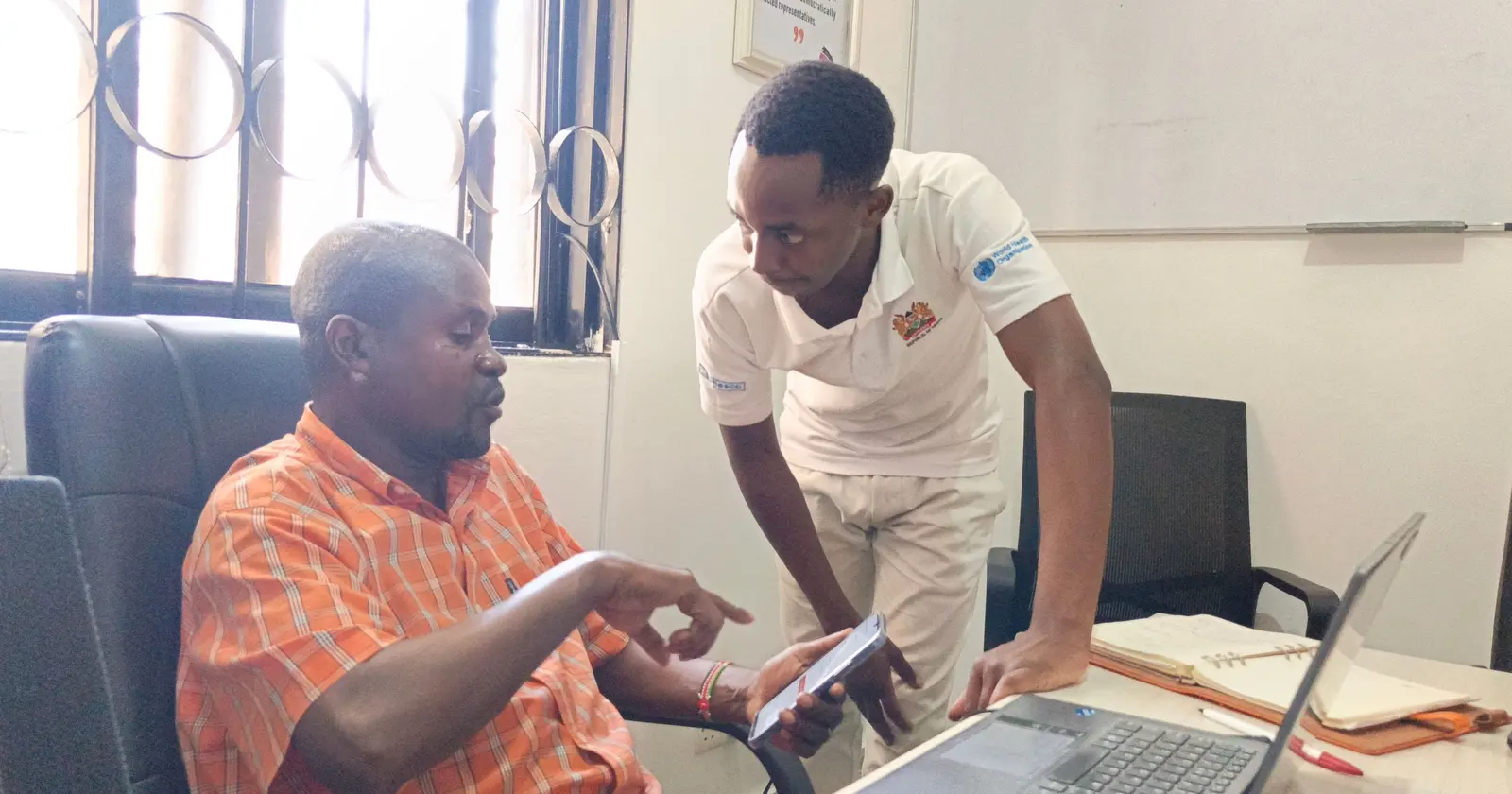
Circled 2 of 4
Facilitators sat beside people as they tried the app, one step at a time. Questions came up as they went, and the team took them there and then.
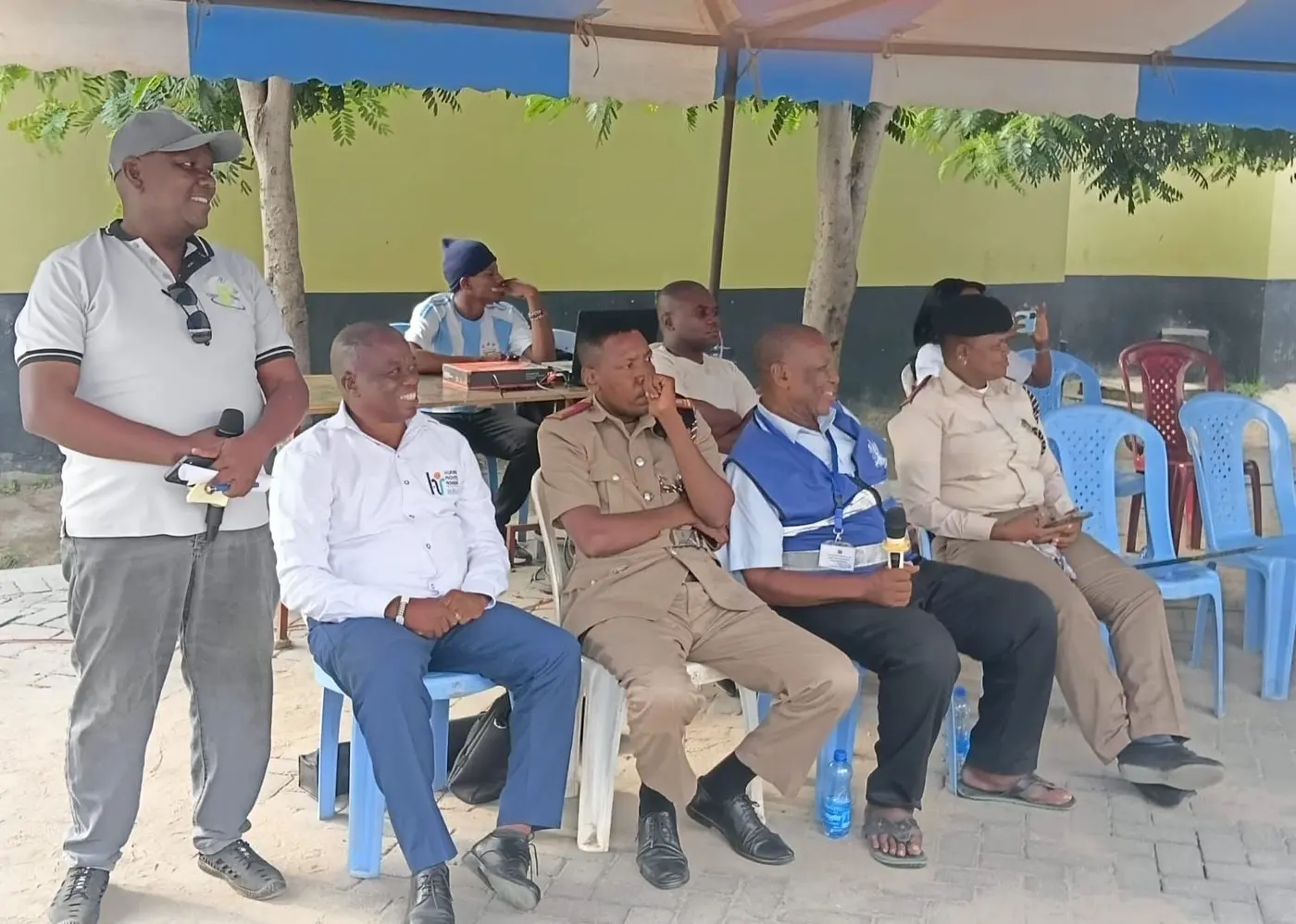
Circled 3 of 4
SafeRide also went where people gather: a community day under tents in Mombasa, with the banner up and team members showing the app to one person at a time.
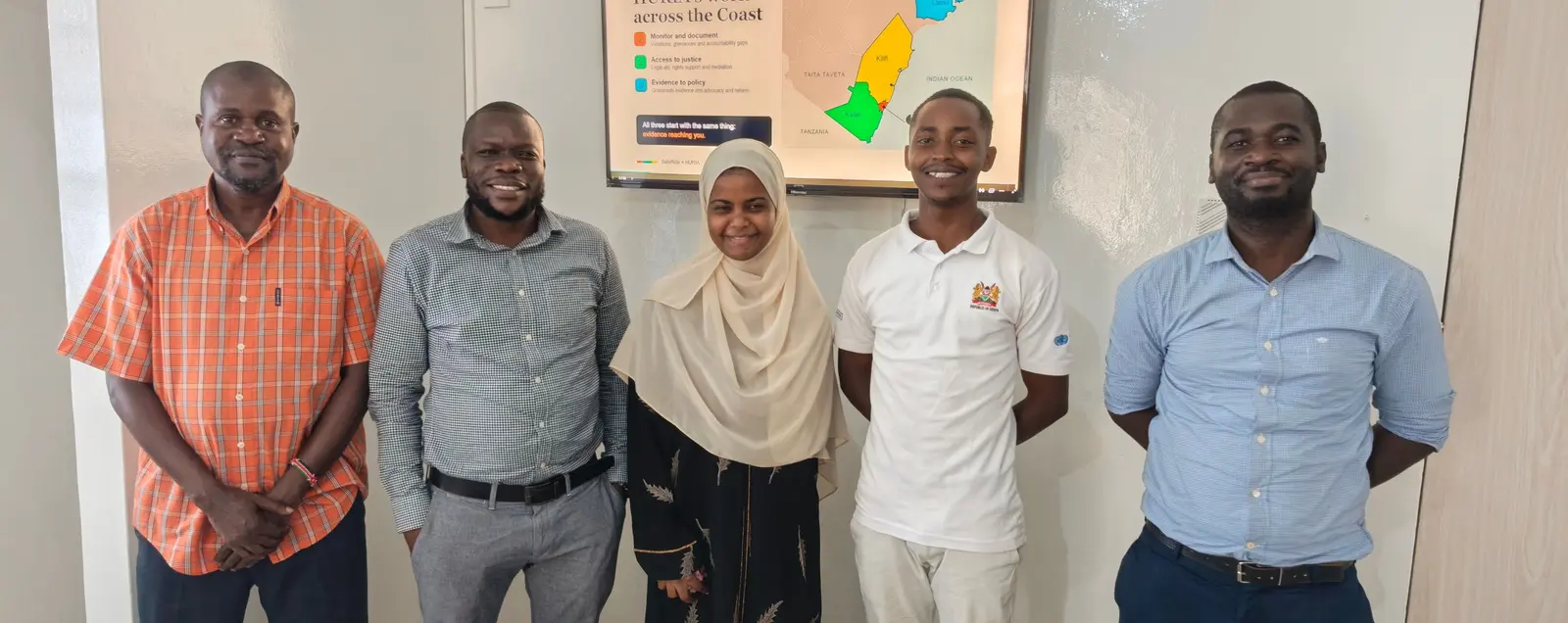
Circled 4 of 4
Feedback came from the sessions themselves: facilitator notes, direct observation, and issues raised while the app was in use. Problems that surfaced were fixed and reviewed, and the findings shaped the next round of work.
The whole path, from a phone to HURIA’s follow-up, was seen working in real use.
First
People worked through made-up scenarios.
Then
People used their own phones to write a private report and choose whether to share it. Reports they chose to share reached HURIA’s dashboard as they were sent.
This overview is deliberately broad: it names the areas, not the people, journeys, or reports behind them.
Whether each step was usable with a weak signal and under stress. What people can do comes before any claim about outcomes.
What we learn goes public after review. People’s stories never do.
We publish
We don’t publish
In the news
Spice FM · Pink Perspective · 2026
Spice FM’s Pink Perspective recognised SafeRide after UNICEF highlighted the app as a Kenyan innovation for women’s safety on public transport.
The player loads from Facebook only after you press play. Nothing about a SafeRide report is sent to it.
Whether people could start reports, understand consent, use legal and support content, preserve evidence and complete a safe handoff, in field testing with HURIA in Mombasa.
In Changamwe and Likoni. The work with HURIA in Changamwe and Likoni continues.
Yes. They are cropped and resized copies of the originals, with camera details such as location and time removed. None was generated, and the captions say only what is visible.
No. The overview is deliberately broad: it names the areas, not the people, journeys or reports behind them, and it publishes no route scores.